

Download the PDF
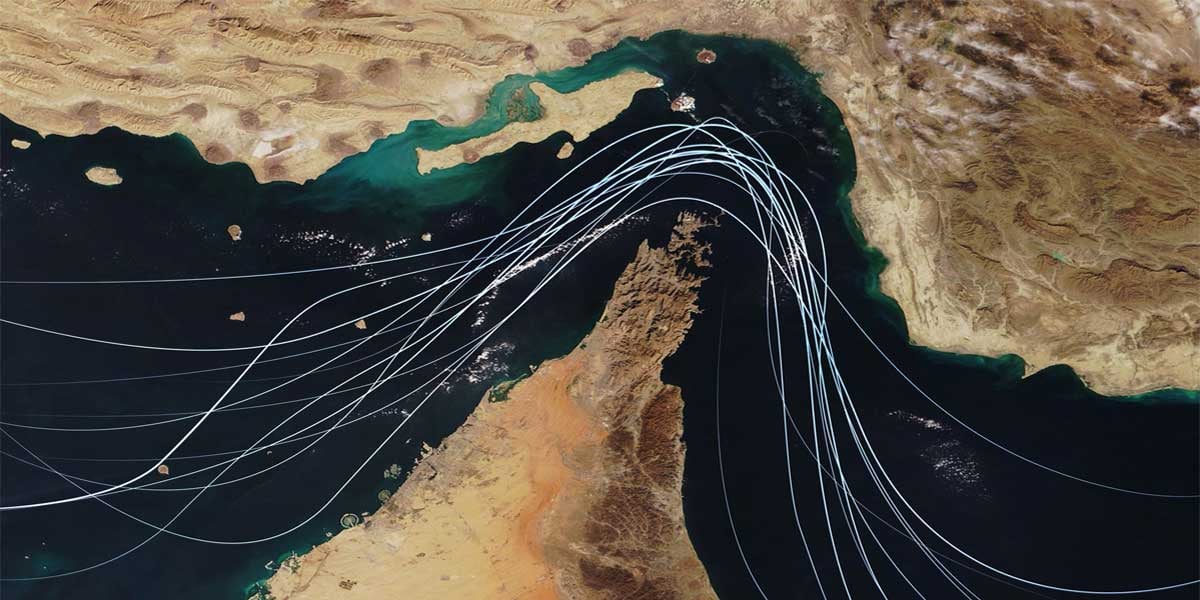

The unfolding of QIC's Benign Scenario
This week, the US and Iran signed a Memorandum of Understanding (MoU) that included an interim ceasefire of 60 days, while details of a more lasting peace deal are worked out, an immediate opening of the Strait of Hormuz and an end to the US shipping blockade. Importantly, the ceasefire includes an end to hostilities in Lebanon, previously a sticking point with Iran (and now a sticking point with Israel). In return for agreeing to reopening the Strait, the US appears to have agreed to discussing a financial package for the reconstruction of Iran, with some reports putting the value of the package at US$300bn. Of course, much could go wrong between now and 60 days’ time, particularly the ability of Israel and Hezbollah to stick to the truce, and while markets have reacted positively, an air of caution remains. For example, although the price of Brent Crude has dropped by around 15% since the announcement earlier this week of the MoU, from US$93/bbl to US$79/bbl, the price remains around 20% higher than its average over the year to the outbreak of the war on 27th February.
Elsewhere, market reaction has been similarly positive, but cautious. The US equity market has bounced by around 3% this week, but remains around 1½% shy of its peak of a couple of weeks ago. Interestingly, given the prospect of a reduction in inflationary pressures, the bond market response has been muted. Only a small decline of a few basis points has been priced across the US yield curve, reflecting a small decline in US break even inflation rates (i.e., the market’s expected future rates of inflation).
How should we interpret recent events and is the market too cautious? Readers of the Weekly Brief will remember that our Benign Iran War scenario was predicated on a reopening of the Strait before the end of June. In that scenario (which has been our central case), we flagged that oil prices would remain elevated for an extended period as Gulf-region supply was rebuilt, following significant damage to infrastructure, and as the market continued to demand a price-premium reflecting the uncertainty around the durability of the peace. Of key importance is whether events since February result in a permanent premium on the oil price. If so, the oil price will not return to pre-war levels and price pressure across global supply chains could continue for some time. Nonetheless, if peace is maintained, it will certainly be the case that the global economy has avoided what would most certainly have been a severe recession had the war continued and the oil price continued to trade in the US$100/bbl to US$110/bbl band, in which it had traded over most of May as the War escalated with the US blockade.
Where does this leave Australia, and importantly, our trade partners in the Asian region? Given our, and the region’s, dependence on the Gulf for 80% of our oil imports, the truce comes as a blessed relief. Certainly, we and our trade partners have been exposed to the weaponisation of an essential input to our production processes. No doubt, this will lead to a push to secure energy supplies across the region. This will come in two phases.
The first, will be countries looking to rebuild their stockpiles that they depleted during the War. Anecdotal evidence suggests that having built stocks over April, China started running down stocks at a rate of around one million barrels per day, as oil imports collapsed over May during the US blockade. Elsewhere, evidence suggests Japan cut its stockpile by around 20%, while supply shortages were looming in Thailand, Philippines, and Vietnam. In Australia, the prognosis at the start of the conflict was poor, with Australia’s fuel stockpile the lowest among the 30-odd major countries, according to the International Energy Agency. The good news is that Australia has managed to build its fuel stockpile from around 30 days to 37 days. However, this has come at a cost as the government has underwritten oil purchases throughout the conflict at elevated spot prices.
The second phase will see countries increasing their stockpiles over time. The Asian region accounts for about half of global oil demand, hence, a ramp up of reserves in the region can be expected to place upward pressure on oil prices over the longer term. Leaving aside the potential for a longer-term increase in the price of oil, central bankers around the world will be breathing sighs of relief over the truce. In Australia, our Benign scenario was consistent with the RBA being able to remain on hold at 4.35% over the rest of 2026.
While it is clear that the RBA still believes the Australian economy faces inflationary pressure, even in the absence of elevated oil prices, the Truce validates the Bank’s decision to remain on hold at its recent June Board meeting and should obviate the need to raise rates. But perhaps the central bank winner is the US Federal Reserve (Fed) and its new Chair, Kevin Warsh. With inflationary pressures building in the US, Chair Warsh could have expected to come under severe market pressure to raise the fed funds rate; in contradiction to President Trump’s long held position that the Fed had kept rates too high for too long.
The fall in oil prices from a truce will alleviate some of pressure on US inflation, particularly the politically sensitive rise in gasoline prices. However, in a surprise move, Chair Warsh at his first post-FOMC policy meeting press conference struck a hawkish tone emphasising the Fed’s role as fighting inflation above all else. Perhaps the incoming Chair was taking the opportunity to talk up his inflation credentials in order to build market confidence in his Chairmanship, at a time when lower oil prices could be expected to take the sting out of inflation. Or maybe, he is willing to strike a stance that is independent of the Trump Administration.