

Download the PDF
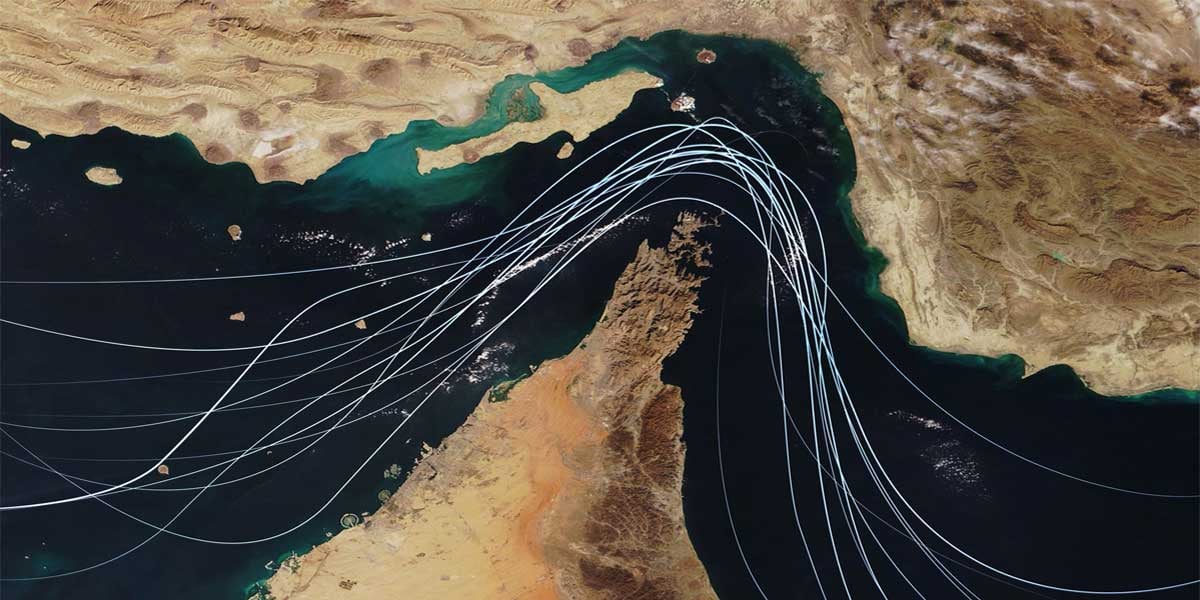

QIC’s Economics & Research team has modelled three potential scenarios for how the conflict could affect the global and Australian economy: benign, malign and malignant.
Each scenario considers the impact of the conflict on global energy prices, and the implications for inflation and interest rates.
Iran conflict: QIC's three scenarios
In the Benign scenario, the conflict is short-lived. Energy prices spike, pushing inflation higher in the near term, but the impact eases relatively quickly as conditions normalise. In this case, central banks can largely look through the inflation lift because it is temporary. For Australia, inflation rises to around 5%, with central banks expected to respond with a limited rate hike before easing later as energy prices fall.
The Malign scenario assumes a larger energy shock that still proves temporary but takes longer to normalise. Inflation rises more sharply, reaching around 7% in Australia, and central banks would likely be forced to lift rates into more restrictive territory to ensure inflation expectations remain anchored. Even so, the impact on the economy remains manageable if it is temporary and inflation expectations remain contained.
The Malignant scenario assumes a more prolonged conflict and persistently higher energy prices. In this case, inflation remains elevated for longer, staying above 5% into 2027, increasing the risk that higher inflation expectations become embedded into pricing and wage-setting behaviour. Central banks respond aggressively, with interest rates rising to levels that could crack the economy.