
Download the PDF
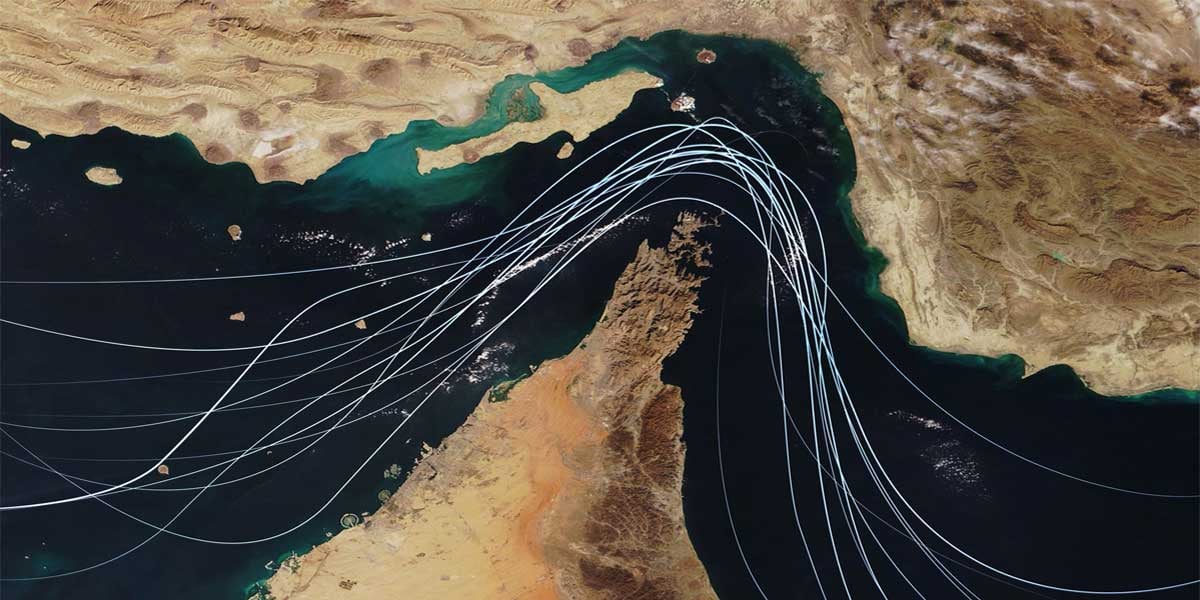

Tracking the fallout from the Iran War
Almost two months after the Iran war commenced, the outlook for the global economy remains clouded by the fog of war. While the announcement this week of a ceasefire extension was a welcome development, how the situation unfolds from here is far from clear. The cancellation of a second round of peace talks this week, combined with the ongoing naval blockade and seizure of vessels by both the US and Iran, highlights the fragility of the ceasefire.
Since March, QIC has been tracking the impact of the Iran War in terms of three scenarios – the benign, the malign and the malignant (see here for more detail). The three scenarios differ in terms of the severity of the energy price shock and its duration. The critical question is which path are we tracking? Under both our benign and malignant scenario, we assumed crude oil prices of US$92 per barrel on average in the June quarter. The important distinction of these two scenarios was that the Strait of Hormuz was assumed to open by the end of June in the benign scenario, leading oil prices to gradually moderate in H2 2026, but in the malignant scenario we assumed oil prices remained permanently higher. Under our malign scenario, oil prices were assumed to average just under US$140 per barrel in the June quarter before easing back in H2 2026.
To put these scenarios in context, to date over the June quarter WTI crude oil futures have averaged US$94 per barrel (US$98 for Brent crude futures). In other words, it appears the benign scenario remains on track, although the malignant or malign scenarios still cannot be ruled out.
Apart from the path for energy prices, the key distinction between the benign scenario and the malignant scenario was the extent of second-round and indirect effects from the shock, leading to much higher inflation expectations and core inflation. While it is still very early days for a definitive conclusion on these impacts, the evidence so far remains consistent with our benign scenario. Incoming inflation reports for March have revealed a significant increase in headline inflation due to higher energy prices, with the CPI inflation rate rising from 2.4% to 3.3% in the US, from 1.9% to 2.6% in the euro area and from 3.0% to 3.3% in the UK. However so far, core inflation rates have shown little signs of pass-through from the higher energy prices, falling in March in the euro area (from 2.4% to 2.3%) and UK (from 3.2% to 3.1%) and edging up only 10bps in the US (from 2.5% to 2.6%).
Looking ahead, our base-case view is for a further increase in inflation rates in coming months in the US and Europe. We expect headline CPI inflation to peak close to 4% in the US in May and 3.2% in the euro area in June, with our near-term forecasts revised up 1.0ppt and 1.3ppts respectively since the outbreak of the Iran war. The impact of the war has lifted our UK inflation forecasts by around 0.8ppts by the September quarter, however due to lags in regulated household electricity/gas prices, inflation is expected to fall in the UK in coming months, before climbing back to around 3¼% by September as the fallout from the war eventually feeds through to household energy bills. Importantly, across these major economies we expect the second-round impacts of the energy price shock to be contained in the benign scenario, with our core inflation forecasts lifted by only around 30bps since the Iran war.
All the major central banks are scheduled to meet next week to decide the appropriate course of monetary policy. Our expectation is that central banks in the US, euro area, UK, Japan and Canada will all choose to keep rates unchanged next week and instead wait for further evidence before deciding whether policy needs to respond to the inflation fallout of the Iran war.
Ultimately, we expect a divergent response by the major central banks over the coming year. In our view, those central banks with policy in accommodative territory, such as the Bank of Japan, will need to move to tighten policy and we expect 50bps of rate hikes by the end of the year. Those central banks with policy in neutral territory, such as the ECB, will pursue modest tightening and we expect 50bps of hikes in the euro area by the end of the year. Those central banks who had policy in restrictive territory, and were expected to cut rates, will instead delay such moves. Rather than cutting rates by 50bps this year as we expected prior to the war, we expect the Bank of England (BOE) will keep rates unchanged at 3.75% this year, although there are significant risks the BOE may be forced to hike if core inflation shows any signs of picking up. In the US, the market had been expecting 2-3 rate cuts by the Fed this year prior to the war, but now expect rates to remain unchanged. If the benign scenario indeed plays out, we suspect the Fed may still be in a position to lower rates modestly by the end of the year and we expect incoming Chair Warsh to eventually cut rates by 25bps to 3.375%.
Higher inflation and tighter financial conditions due to the war will weigh on economic growth and we have lowered our base-case 2026 global growth forecasts by 30bps since February. Under our benign view, global growth is expected to slow modestly from 3.4% in 2025 to a below-trend 2.9% pace in 2026. While we expect global growth to slow, the global economy is expected to avoid recession provided the fallout from the Iran war is contained and we remain on the benign path. However, the geopolitical environment continues to cloud the outlook and should the Strait of Hormuz closure persist into H2 2026, the threat of a more malignant stagflation-style recession would increase.