
Download the PDF

Federal Reserve faces a historic test of its independence
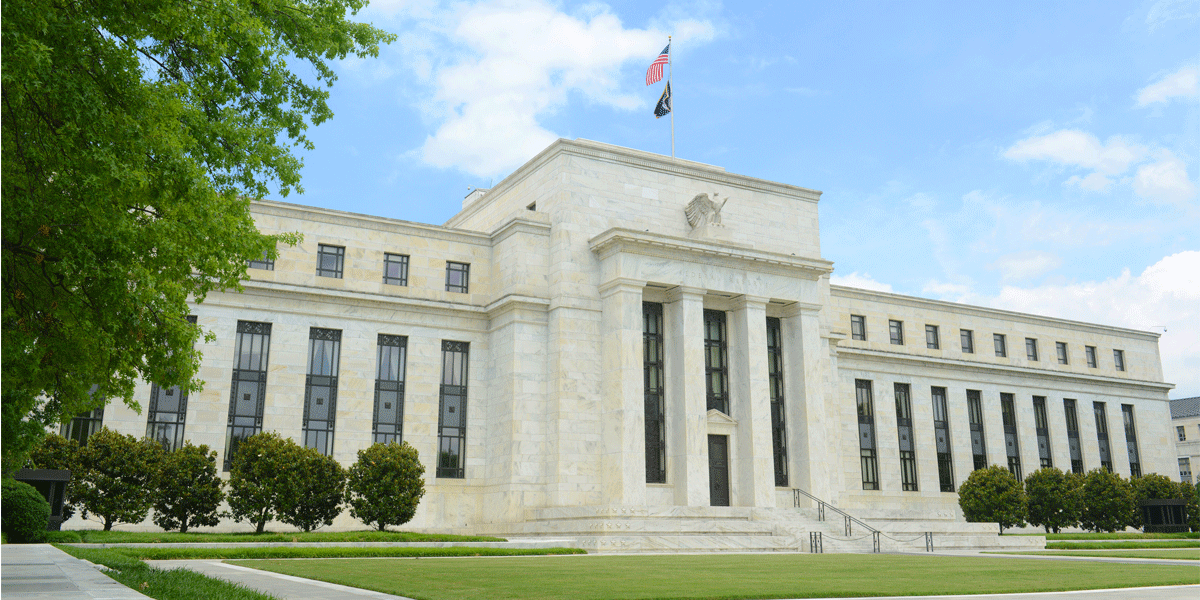
The US Federal Reserve (Fed) is facing an escalating barrage of threats to its independence, with its Chair Jerome Powell threatened with criminal indictment by the Department of Justice (DOJ) this week. The DOJ action relates to statements he made about an internal renovation project, which has gained public attention for cost blowouts. The move is unprecedented, with no Fed Chair having been investigated criminally over congressional testimony before. It comes in the context of a protracted campaign by President Trump to undermine the Fed.
In 2018 President Trump publicly stated his displeasure at interest rate decisions made by the Federal Open Market Committee (FOMC) and Powell more specifically. At the time, the comments were viewed as concerning, with Presidents typically avoiding commenting on monetary policy. These jabs at Powell and the FOMC continued throughout his first term and morphed into legal threats over the first year of his second term. While the legal action against Powell relates to his renovation testimony, it is clear the actual purpose is to influence monetary policy. Powell has not been the only one targeted, with Trump attempting to fire Fed Governor Lisa Cook in August. Cook challenged the legitimacy of the firing and the Supreme Court is scheduled to hear arguments relating to Cook’s case next week.
The Fed has been alert to the threat to its independence and in December moved months earlier than normal to confirm the positions of regional bank presidents due for reappointment in February 2026. This was done to provide certainty and close this as an avenue for President Trump to influence the composition of the FOMC. Along similar lines, Powell responded to the DOJ threats publicly, in an effort to assure markets of the Fed's ongoing independence. Other major central banks quickly released a public letter emphasising their support of Powell and the importance of central banks being able to operate without political influence. Included in the signatories was Australia's RBA Governor Bullock.
With Powell's term due to end in May, the Fed Chair will change in 2026, regardless of potential legal outcomes. The key candidates who have been touted as his potential replacement include current Governors Christopher Waller and Stephen Miran along with outsiders Kevin Warsh and Kevin Hassett. Waller and Warsh are viewed as less controversial picks who seem to value central bank independence and would be less likely to kowtow to demands from the President. Miran and Hassett would be more concerning given their existing close relationships with President Trump and perceived softer stances on the importance of the separation between the Fed and government.
The intense focus on the choice of the Chair comes because of their typical role in shaping the direction of monetary policy, achieving consensus amongst FOMC members and communicating interest rate decisions to the public. However, while the President and Senate are responsible for instituting a Fed Chair, the FOMC Chair is a separate position and theoretically could be chosen from any of the voting members. Also, the FOMC Chair is not a dictatorial position, representing only one of the 12 voters that make fed funds rate decisions. The democratic nature of the FOMC means that the composition of the voters is critical. Typically, when the Chair's term ends, they also resign from the Board of Governors and create a vacancy that needs to be filled. The threats from the Trump Administration will likely encourage Powell to remain on the Board and avoid creating another opportunity to fill a voting position.
This is where the developments in potential criminal charges against Powell come to the fore. If Powell is removed 'for cause' because of criminal charges, it will create another absence on the FOMC. Not only this, but other members will be acutely aware that they risk facing prosecution if they vote for actions contrary to the preferences of the President. Regardless of how members end up voting, this intense political pressure could easily create perceptions of a compromised Fed and undermine market confidence in the central bank's commitment to keeping inflation under control. However, the reaction in financial markets to Powell's legal troubles has been relatively muted so far. Either markets aren't pricing in the risk of Powell being removed or they believe the structure of the FOMC will protect it from serious destabilisation in such an event. In any case, the events of the coming months and actions of the FOMC members will be critical in determining whether the Federal Reserve can maintain its reputation as an independent and effective central bank.