
Download the PDF

But the inflation shock will test the economy's resilience
This week's release of the Australian national accounts gave us one last look at economic data relatively unaffected by the Iran war. The data showed that the economy slowed in the first quarter of the year, growing by 0.3%, compared to the average 0.6% quarterly growth seen during 2025.
The loss of momentum is not particularly alarming, with household consumption holding up over the quarter. The slowdown in growth was driven by a pullback in government spending and a significant drag from net exports. On the export side, Cyclone Koji weighed on mining exports. On the import side, goods imports were boosted by strong data centre equipment investment and services imports lifted as a stronger Australian dollar encouraged Australians to spend internationally. Looking at the bigger picture, the economy was in reasonable shape at the start of the year.
Given that, what does the outlook for the economy look like? The impacts of the Iran war and tighter monetary policy mean we have seen the peak in growth. This doesn’t mean we expect momentum to significantly worsen from the March quarter but we do expect quarterly growth to remain at a similar rate over the rest of the year.
Households will face higher prices for goods and services linked to oil, while those with mortgages will have their budgets crimped by the three interest rate hikes already delivered by the RBA this year. Helping to offset this impact will be the savings buffers built by households over 2025, along with higher incomes for those households that benefit from a rise in interest rates. With the labour market expected to soften only gradually over 2026, most households should still have sufficient income to support spending. Household consumption growth will slow but budgetary pressures will be far less intense than the 2022-23 cost-of-living crisis.
For businesses, cost pressures are also concerning. As we have outlined previously, higher oil prices are showing up across most supply chains. The national accounts also indicate that labour costs are still elevated. Productivity fell by 0.6% in the March quarter, continuing a long-running trend of sluggish performance. As a result, annual unit labour cost growth, the amount businesses have to pay for labour per unit of output, remains elevated at 3.2%.
Adding to wage pressures, the Fair Work Commission (FWC) announced a 4.75% increase in award wages and a 6% increase for the lowest pay band this week. The FWC aimed to give workers a pay rise in line with inflation, acknowledging that the economy would not be in a position to provide real wage gains. Even with this consideration, the FWC decision was a little higher than we expected and will modestly lift our forecast for wage growth this year. Given that FWC decisions tend to influence wage setting in other areas of the economy, businesses are likely to face pressure to deliver pay rises that compensate workers for inflation.
With the oil shock affecting both input costs and wages, businesses are facing cost pressures on multiple fronts. To the extent that these costs cannot be passed through, margins will be compressed. Combined with higher interest rates increasing the cost of borrowing, this environment discourages business investment, constraining the ability of the Australian economy to grow. However, the outlook for business investment is not all negative, with the data centre pipeline expected to contribute to growth going forward via the construction of buildings and the need to invest in more renewable energy developments to support their energy requirements.
Nevertheless, with households and businesses both affected by higher inflation and interest rates, we expect growth in the Australian economy to ease in 2026 compared to 2025. Our base case is for a moderation in growth rather than a sharp downturn. This will see annual growth slow from 2.5% at the end of 2025 to around 1¼% by the end of 2026.
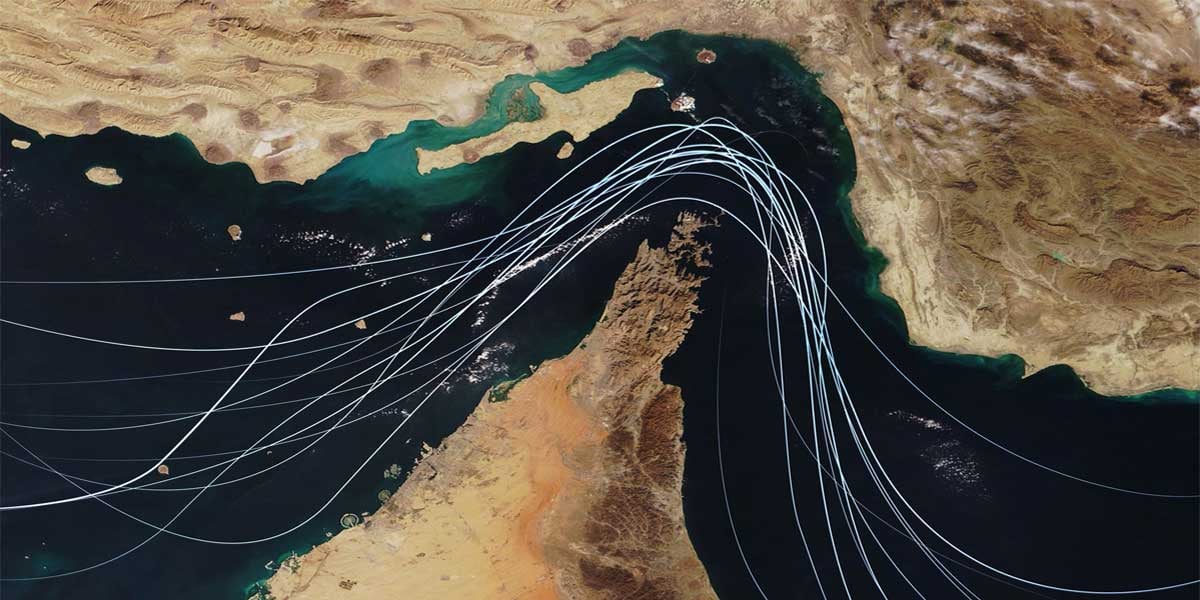
A reopening of the Strait of Hormuz in the next month is the key assumption underpinning this outlook. Australia's reliance on imported fuel and the dependence of supply chains on oil mean that a reopening in the near term is essential. However, the absence of a deal so far and the lack of urgency in negotiations suggest this timeline is increasingly at risk. The longer the Strait is shut, the greater the risk that businesses are forced to pass through costs to consumers, monetary policy tightens further and economic growth slows more materially.