
Download the PDF
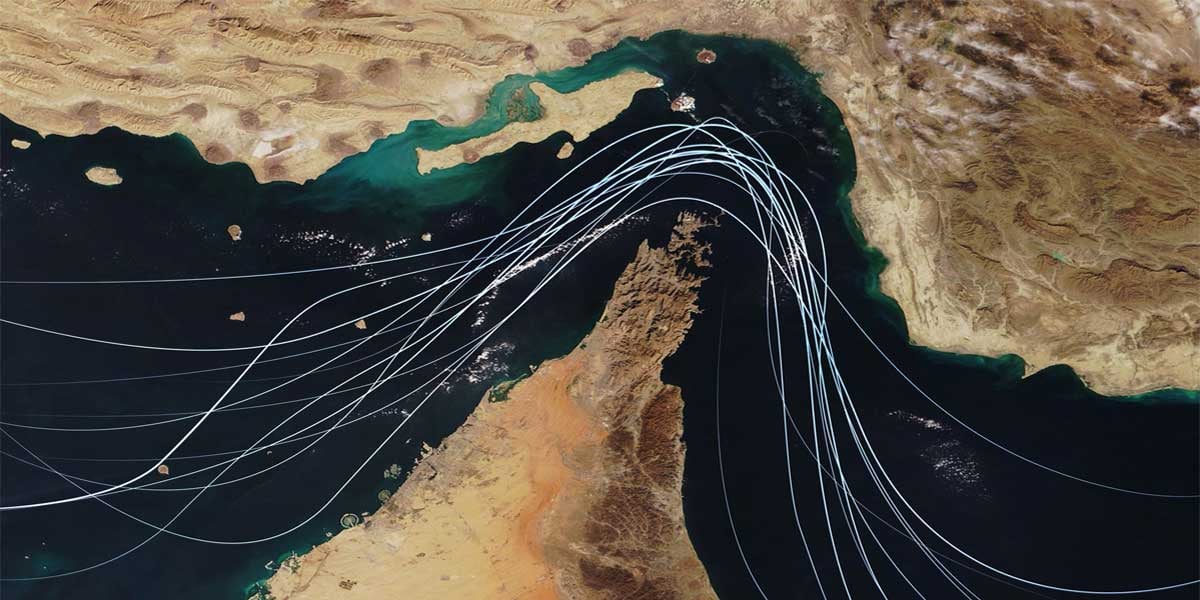

Can the resilience of the global economy to the Iran War continue?
Regular readers of our weekly economic brief will recall that QIC’s baseline outlook for the global economy had incorporated a relatively benign fallout from the Iran war. Ever since the war erupted at the end of February, our forecasts were conditioned on an eventual easing in oil prices from their peaks, underpinned by a reopening of the Strait of Hormuz by the end of June.
This baseline view appeared to be playing out with US and Iran signing a Memorandum of Understanding (MoU) in mid-June. Oil tankers started to flow through the Strait of Hormuz once again and crude oil prices fell sharply. In fact, the retreat in Brent crude oil futures from an intra-day peak of over US$126 per barrel in late April to $71 per barrel by the start of July was even more rapid than we had assumed.
This good news on the war front was beginning to reverberate around the global economy. Incoming data confirmed that May was the recent peak in global inflationary pressures, with significant retracement evident in June. For instance, the US CPI report released during the week revealed a drop in the US headline inflation rate from 4.2% in May to 3.5% in June.
Even more promising has been evidence of limited second-round inflation impacts from the earlier energy price hikes. The US core CPI inflation rate fell from 2.9% in May to 2.6% in June, only marginally above the pre-war rates seen at the start of the year. While Fed Chair Warsh has noted that this was just one data release, the benign core CPI print combined with more modest employment growth in June will likely ensure the Fed keeps rates unchanged at their meeting later in the month.
Unfortunately, however, a lot can change in a couple of weeks. The MoU between the US and Iran has now clearly been broken, with military attacks by both sides escalating over the past week and the US re-imposing a naval blockade of the Strait of Hormuz.
How the geopolitical situation plays out from here is not at all clear. US President Trump has received briefings over recent days around potential options in Iran, including by stepping up airstrikes, sending in ground troops to seize control of the Strait of Hormuz and Iranian oil export facilities on Kharg Island or potentially bombing Iranian nuclear sites at Pickaxe Mountain. Iranian leaders appear steadfast on not relinquishing any control of the Strait of Hormuz and appear to be stepping up pressure on President Trump ahead of November’s mid-term elections in order to gain leverage in potential future negotiations.
Notwithstanding the renewed conflict, oil markets have been surprisingly calm. Brent crude futures have jumped up to around US$85 per barrel this week, significantly below the US$105 price that crude averaged between mid-March and mid-May. Other commodity prices, however, have come under more pressure. European natural gas prices have surged, rising to levels not seen since March, while wholesale diesel prices have also increased to levels not seen since the first half of May due to tight global refining conditions exacerbated by Russian diesel export bans.
With uncertainty returning to global energy markets, one is left with an unnerving feeling of déjà vu. The recent move higher in commodity prices will eventually filter through to retail prices, but the overall impact on consumer price inflation will depend heavily on how developments in Iran unfold over coming weeks.
Our current global forecasts remain predicated on a diplomatic solution once again emerging in Iran, allowing oil flows to resume in the Strait of Hormuz. Although occasional flare ups may continue to emerge, our baseline view is conditioned on Brent crude oil prices remaining around current levels until the end of September, trending down to around US$80 per barrel by the end of the year.
If such an outcome eventuates, we expect the global economy will remain on a resilient footing in 2026, with a modest recovery emerging in 2027. In other words, our baseline outlook remains an extension of the benign scenario that has underpinned our view all year.
However, the renewed hostilities are increasing the odds that a more disruptive outcome may occur. The longer the energy price disruptions persist, particularly if oil prices move back to the levels seen at the height of the war, the more likely that consumers and businesses could view the shock as permanent rather than temporary. Such shifts in mindset could deliver more sizeable second-round inflation impacts from the energy price increases and potentially lead to a pick-up in inflation expectations, which have to date been well anchored.
Central banks would no doubt need to pursue more restrictive monetary policy in this environment, leading to a much weaker global growth outlook and potentially a global recession. While not our base case view, given the renewed geopolitical uncertainty, we remain attuned to the potential for such a malign or malignant scenario to resurface.